Excerpt from: A Short History of Denver | Stephen J. Leanard. Thomas J. Noel | Sept 20, 2016 | pages: 88, 89
Klan Downfall
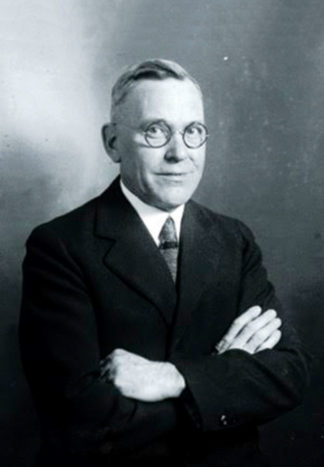
"The Klan reached its high—water mark in 1924, when it saved Ben Stapleton from recall, elected Clarence Morley governor, and put Rice Means, a Klansman, in the US Senate. The magnitude of ts triumph, however, was matched by the speed of its downfall. Ironically, the Klan‘s destruction came not from its avowed foes such as Ben Lindsey or Philip Van Cise, but from one of ts most powerful allies— bland, bespectacled Ben Stapleton. By early 1925, he had soured on the hooded bigots, probably because he did not want to take orders from Locke and because he realized that some in the organization were far from the holy upholders of civic virtue they claimed to be. He recognized that some Klansmen drank and gambled, and he knew that the Klan—controlled police department was hobnobbing with the underworld.
Stapleton wanted to expose that unholy alliance but could not use the corrupt police department to do it. So he skillfully and secretly recruited honest cops, members of the American Legion (a veterans organization), and state policemen to make a strike force of around 130 men. For three months they planned their campaign. On Good Friday, April 10, 1925, Stapleton‘s little army raided speakeasies, brothels, and gambling dens, and in subsequent weeks they repeated the procedure. As the dust cleared, it became obvious that the Klan was not upholding Christian virtues. Locke‘s troubles multiplied when in May he was charged with income tax invasion. In June the national Klan organization moved to oust him. He resigned as grand dragon in July, by which time thousands of his followers were converting their robes into pilowcases. Klan members smoldered for years. The Denver women‘s chapter, renamed the Colorado Cycle Club, sputtered out of existence in 1915. But as an organized political force capable of swaying elections, the Denver Klan was dead by 1926."
ISBN 10: 1943859191 / ISBN 13: 9781943859191